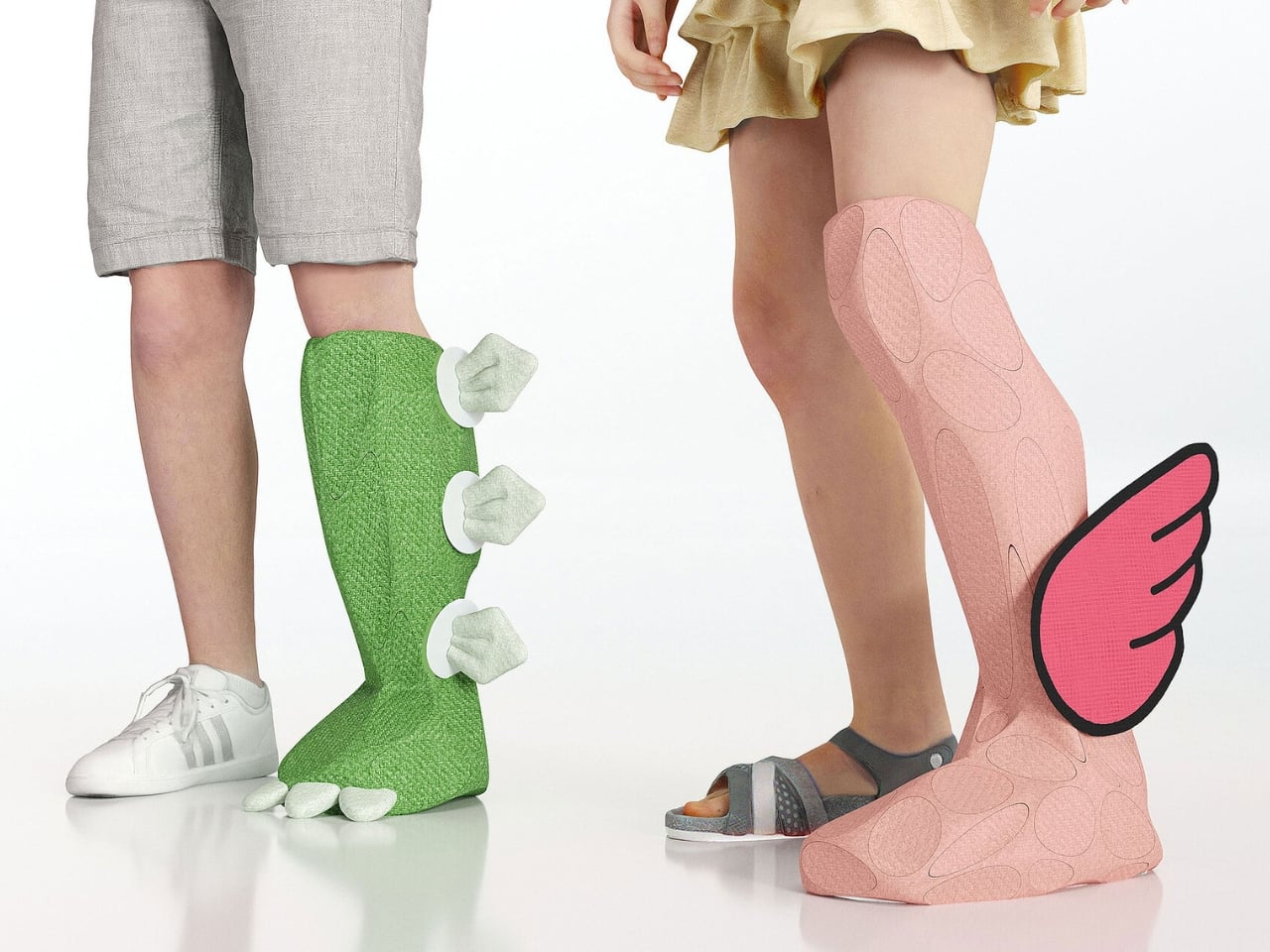
Anyone who’s spent time around a child with a broken bone knows the drill. There are the doctor visits, the X-rays, the anxious waiting to see if everything is healing properly. And for kids? The whole experience can be genuinely frightening. But what if medical monitoring could look less like intimidating equipment and more like something a superhero might wear?
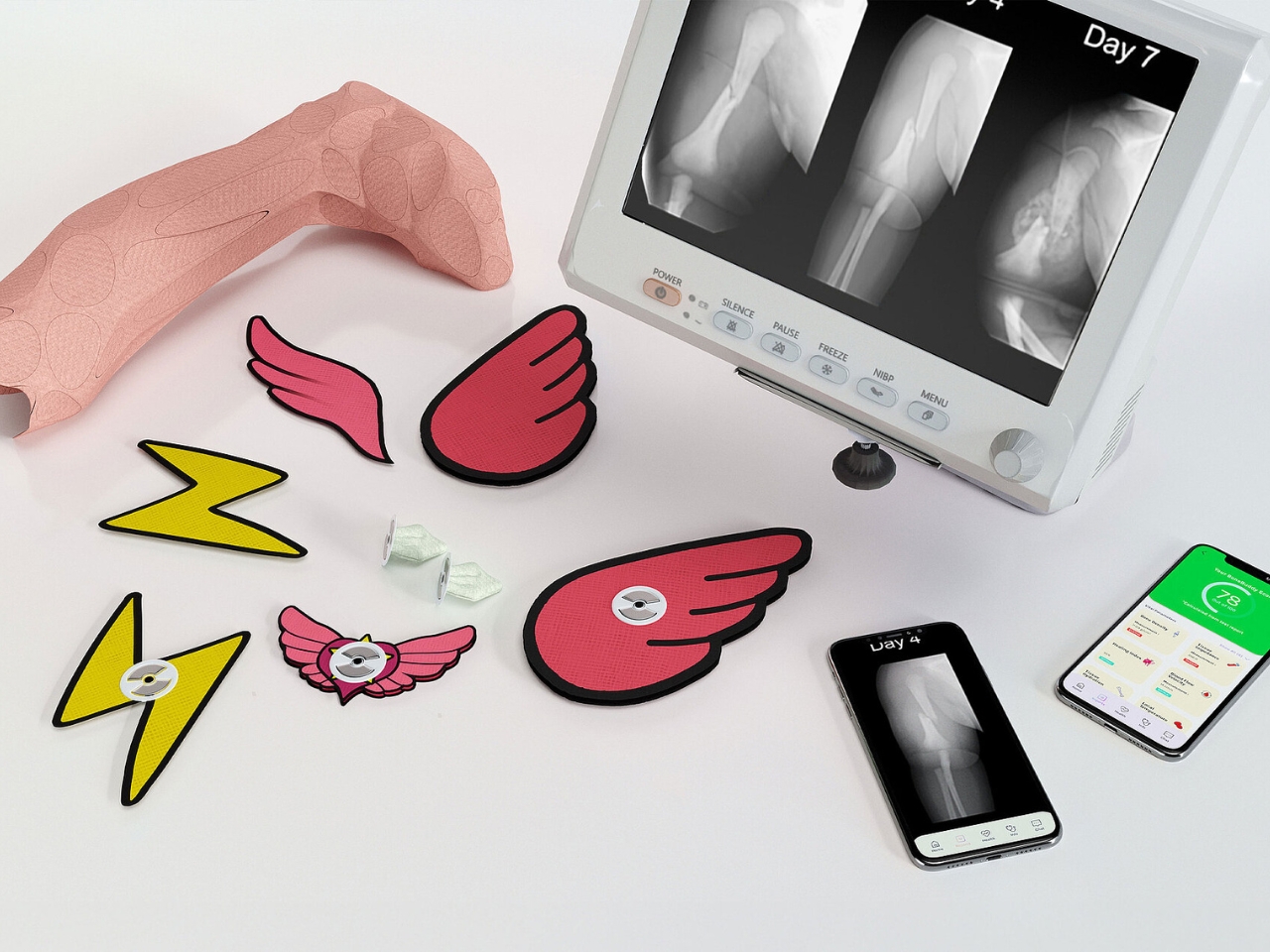
That’s exactly what designer Xu Yudian had in mind with BoneBuddy, a wearable medical device that’s rethinking how we approach pediatric care. At first glance, it looks like the kind of accessory you’d find in a cartoon. There are bright colors, playful shapes, and customizable patches featuring lightning bolts and wings. But underneath that cheerful exterior is some seriously sophisticated technology.
Designer: Xu Yudian
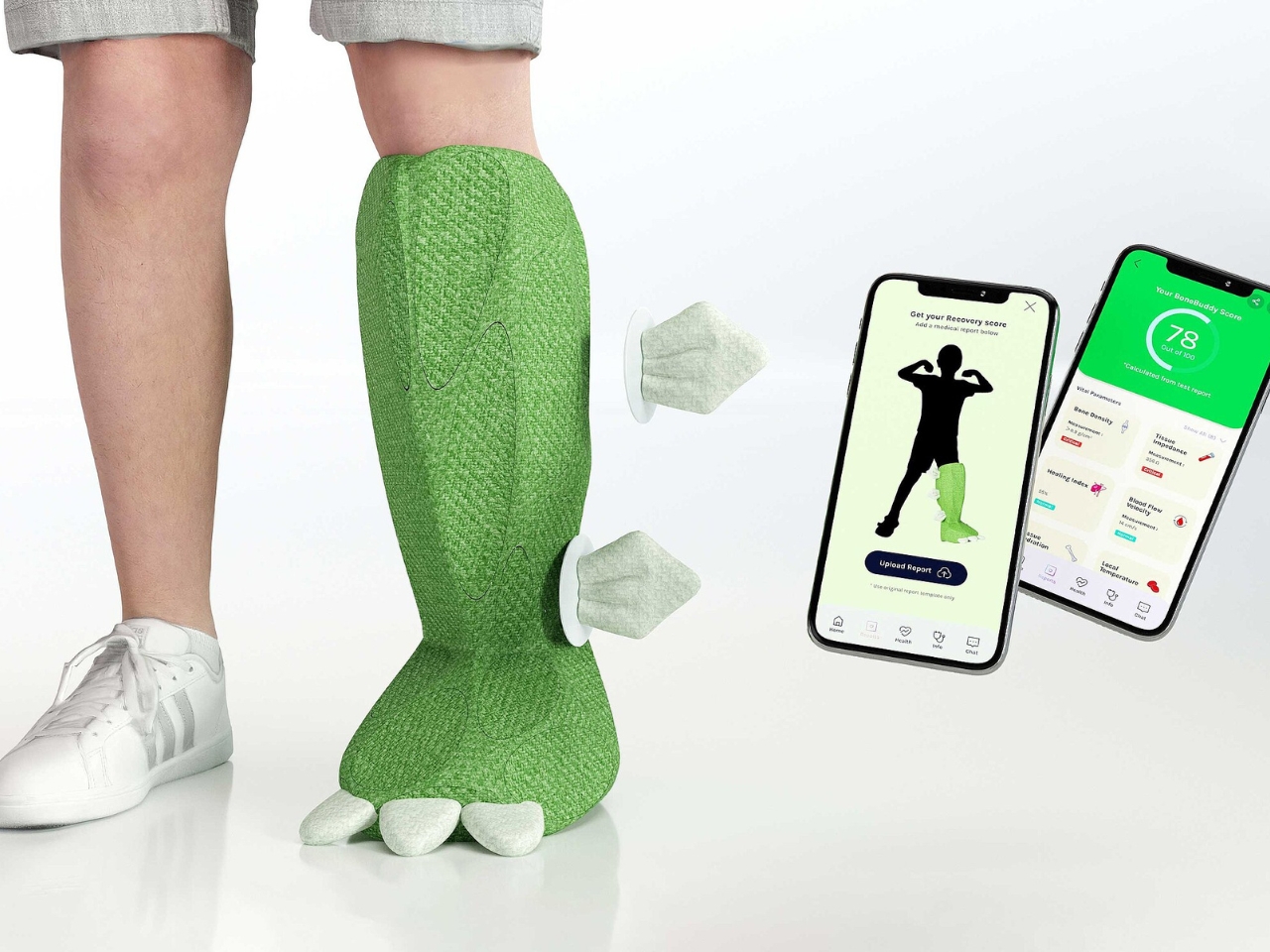
BoneBuddy uses bioelectrical impedance technology to monitor bone recovery in real time. If that sounds complicated, here’s the simple version: it sends low-frequency electrical currents through bones and tissues to measure impedance, which gives doctors valuable insights into bone density and how tissues are changing during the healing process. All of this data gets transmitted wirelessly to a mobile device, so parents and healthcare providers can track recovery without constant trips to the hospital.
The genius here isn’t just in the tech itself but in how it’s been packaged. The device comes in a soft, hypoallergenic patch that wraps around injured limbs. Instead of looking clinical and scary, it’s available in vibrant greens and pinks. Kids can personalize their BoneBuddy with velcro accessories shaped like wings or lightning bolts, essentially turning their medical device into a fashion statement. Suddenly, monitoring bone recovery becomes something a child might actually want to wear rather than something they’re forced to endure.
This kind of thoughtful design matters more than you might think. Medical anxiety in children is a real issue that can affect treatment compliance and overall recovery. When kids are scared of their medical equipment, they’re less likely to wear it consistently or cooperate with monitoring. By making BoneBuddy feel more like a toy than medical equipment, Xu Yudian has addressed a psychological barrier that traditional healthcare devices often ignore.
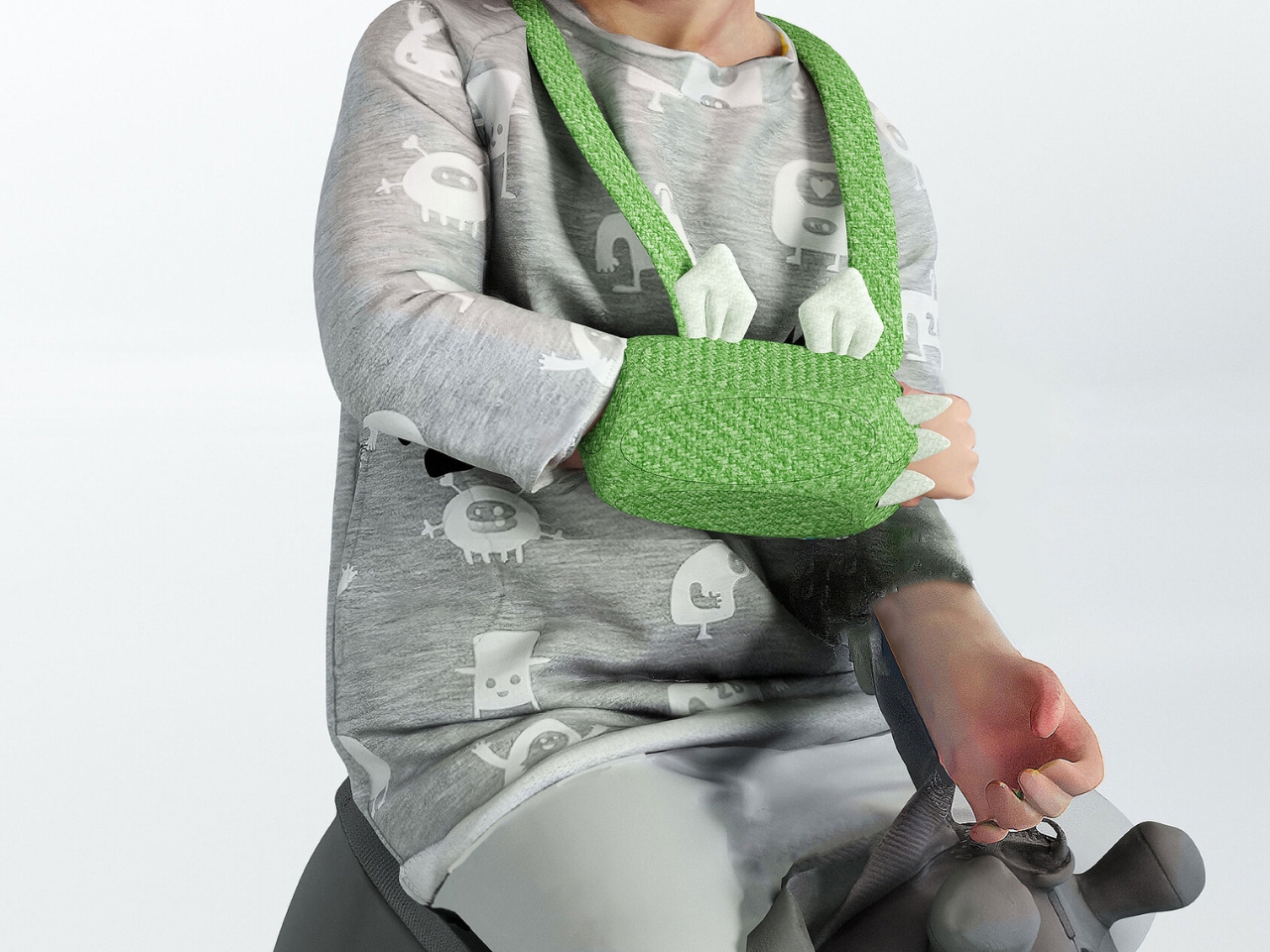
The design has already earned recognition from the Red Dot Awards, one of the most prestigious international design competitions. But what makes BoneBuddy particularly notable is how it represents a broader shift in medical device design. For too long, pediatric medical equipment has essentially been adult devices scaled down or made in “kid-friendly” colors. BoneBuddy takes a different approach by starting from scratch with children’s needs and preferences at the center.
The wireless connectivity adds another layer of convenience that modern parents will appreciate. Instead of relying solely on scheduled appointments to check healing progress, caregivers can monitor data continuously through a connected app. This means potential issues can be spotted earlier, and doctors can make more informed decisions about treatment adjustments without requiring the child to sit through another round of X-rays.
What’s particularly clever is how the device manages to be both high-tech and low-stress. The soft materials make it comfortable enough for all-day wear, and the fun design elements give kids a sense of ownership over their recovery process. They’re not just passive patients anymore. They’re active participants with cool gear that tracks their progress. This project also highlights an important truth about good design: it’s not just about aesthetics or even functionality in isolation. It’s about understanding the complete user experience, including the emotional and psychological dimensions. A medical device that works perfectly but terrifies children isn’t actually working perfectly at all.
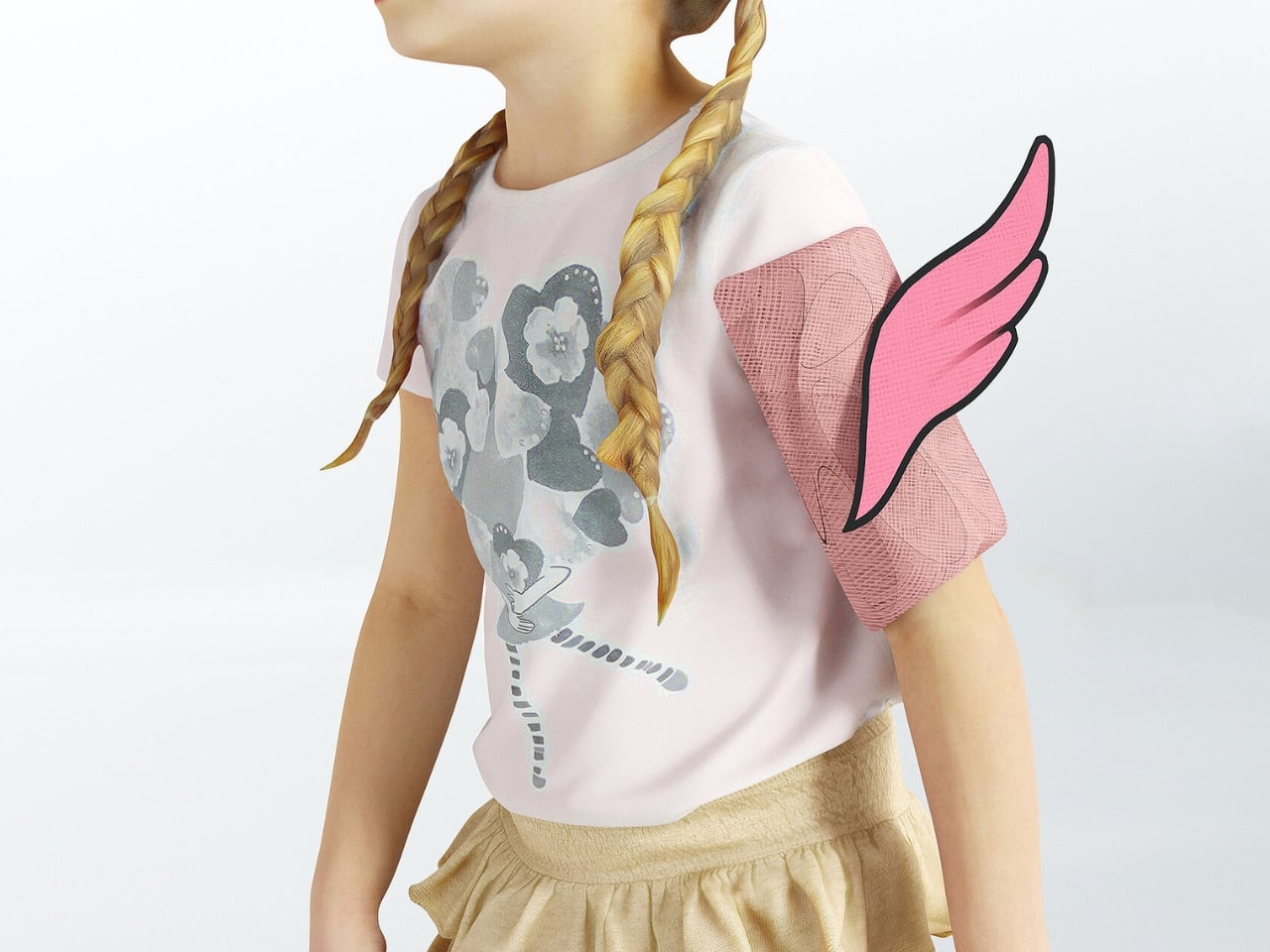
As wearable technology continues to evolve and become more integrated into healthcare, projects like BoneBuddy show us what’s possible when designers think beyond technical specifications. The best innovations don’t just solve problems. They solve problems in ways that make people’s lives genuinely better and easier. For kids recovering from bone injuries, BoneBuddy represents something more than just another piece of medical equipment. It’s a companion in their healing journey, a conversation starter, and proof that medical care can be both effective and kind. And in a world where healthcare can feel impersonal and intimidating, especially for the smallest patients, that’s no small achievement.
The post This New Bone-Healing Patch Turns Broken Bones Into Superpowers first appeared on Yanko Design.
Read More . . .|
 | Tweet